
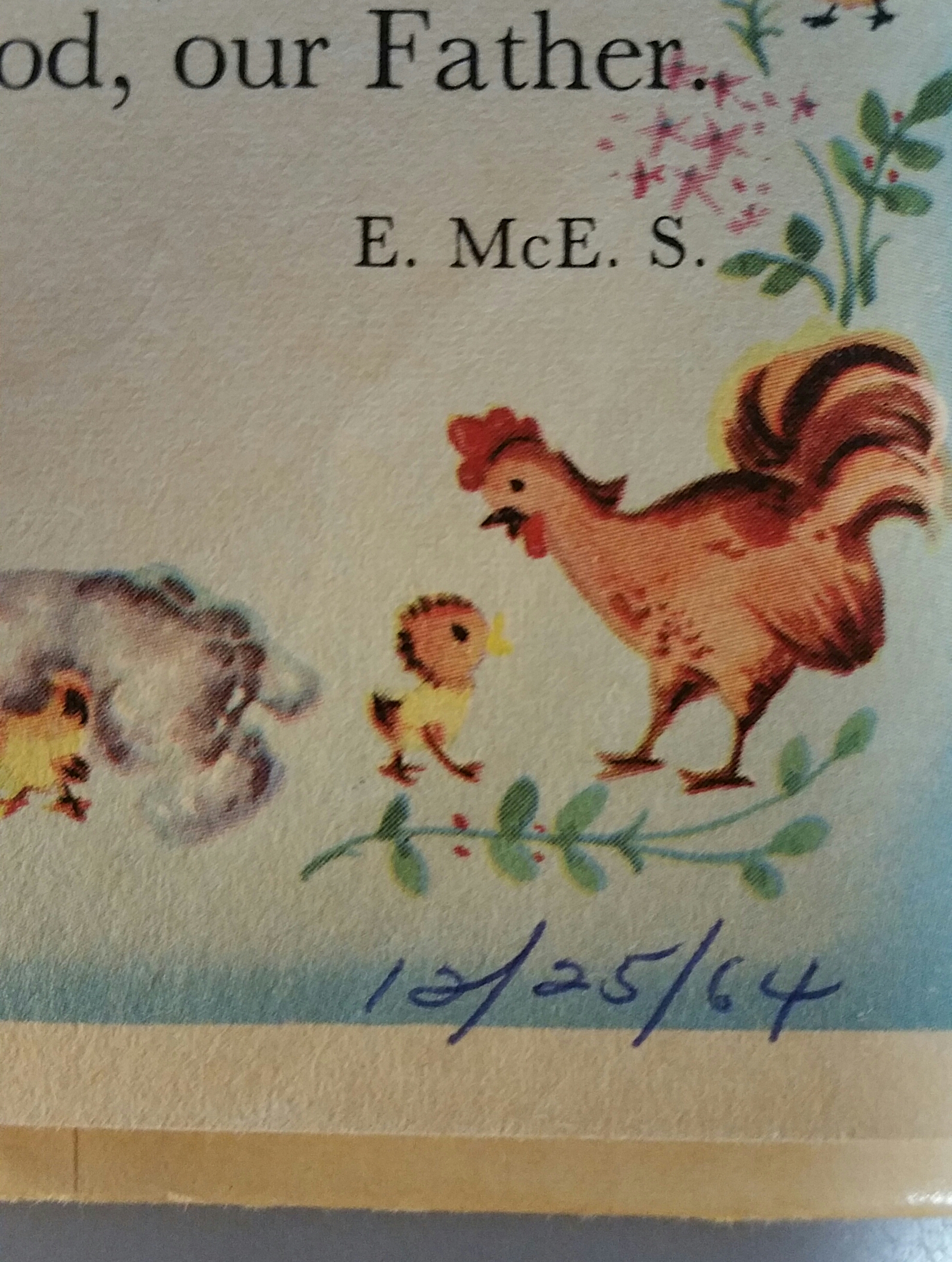
The first book I remember receiving, taped back together:

The date written inside the cover:
In the past few years, alarming reports about how excessive screen time is destroying our attention spans, especially impacting children’s learning, appear regularly in the media. There have been professors reporting a growing problem of incoming college freshmen, who can’t manage to read through whole books and never did that in high school. Brain experts can explain all the changes taking place inside our brains with excessive screen time, but if you spend a good bit of time online, I don’t think you need a PhD to recognize this attention span problem. I’ve been working on improving my attention span by reverting to many of my life-before-the-internet habits.
A couple weeks ago, I thought about writing this blog post, for which I even had a title, Encyclopedia Sue Grows Up which is my own learning program that I began as a young child, who stuttered, but dreamed of being able to speak clearly like other kids. If I could do this on my own as a child, surely most people, young and old alike can manage this.
The first thing I learned about learning anything is, just like in every other human activity – attitude largely determines outcomes. The most important thing I learned about seeking information, gathering information, analyzing information, organizing information and actually using information is you should focus on building up your PATIENCE, not on your reading skills. I set up my own daily reading and speech lesson practice when I was in first grade. I had to attend speech class and that speech teacher told us to practice every day – and I did. Patience is developed through our habits – yes, it’s that simple.
Electronic devices, while offering us the entire world of information at our fingertips, work counter to helping most people learn good habits that develop patience. We click and scroll, expecting quick search results or instant answers from Alexa. We don’t have to put any real effort into this and while the term “user-friendly” sounds helpful and benign, many things in life require a lot of time, a lot of hard work, and developing patience to persevere when faced with obstacles, set-backs and, yes, failures. Many things also require more than one go-to source for everything and it’s very easy to become dependent on Google or Alexa, rather than thinking about alternative sources of information.
When I started school, we went right to first grade, because our school district didn’t have kindergarten back then. I was extremely shy, scared of strangers, and stuttered, but I wanted to learn to talk to other kids and I wanted to learn, just like other kids.
Virtue is a word seldom used in the secular world now, but practicing virtuous behavior will help any person develop a better character and a more positive mindset when facing obstacles. Just like with most things in life, learning skills to become a better reader and better at learning takes a lot of time and practice. There aren’t any short-cuts, so developing consistent study habits and reading practice will take time and that means you need to work on developing patience.
I set up my own home studying habits – daily practice reading. My mother gave me a paperback dictionary in elementary school, so I began daily practice reading that dictionary. Yes, I read the dictionary every day and I still look up many words regularly. It’s become a lifelong habit. One thing I particularly love about online dictionaries is there are some that have clips to play, so you can listen to how a word is pronounced. This is very helpful to me.
My mother also gave me an embroidery stitch guide when I wanted to learn embroidery. Having some actual reference books on hand is still worthwhile, because learning to handle physical books is as important as learning how to access information online. Media and social media thrive on creating drama and controversy, so naturally there’s been a lot of talk about giving up devices and this new lifestyle hype about “analog doomscrolling, replacing your online scrolling habit, but thinking you need to choose online information or physical books is a false choice. The logical option is to learn how to use both and find ways to utilize them in ways that help you more easily find and use information, to improve your life and potentially save you some time.

My home learning took a gigantic step forward when I was around 12 yrs old (early 1970s), my parents bought a set of World Book Encyclopedias, replete with a large dictionary. This literally opened a new world to me. It was a world filled with new learning adventures on every page and a large dictionary, which I studied every day to learn new words and practice how to pronounce words. Along with the stuttering problem, I also couldn’t pronounce some letter sounds. Having that encyclopedia set in our living room dramatically changed how I searched for information. I now have that set of World Book Encyclopedias and the large dictionary, which needs to be repaired.
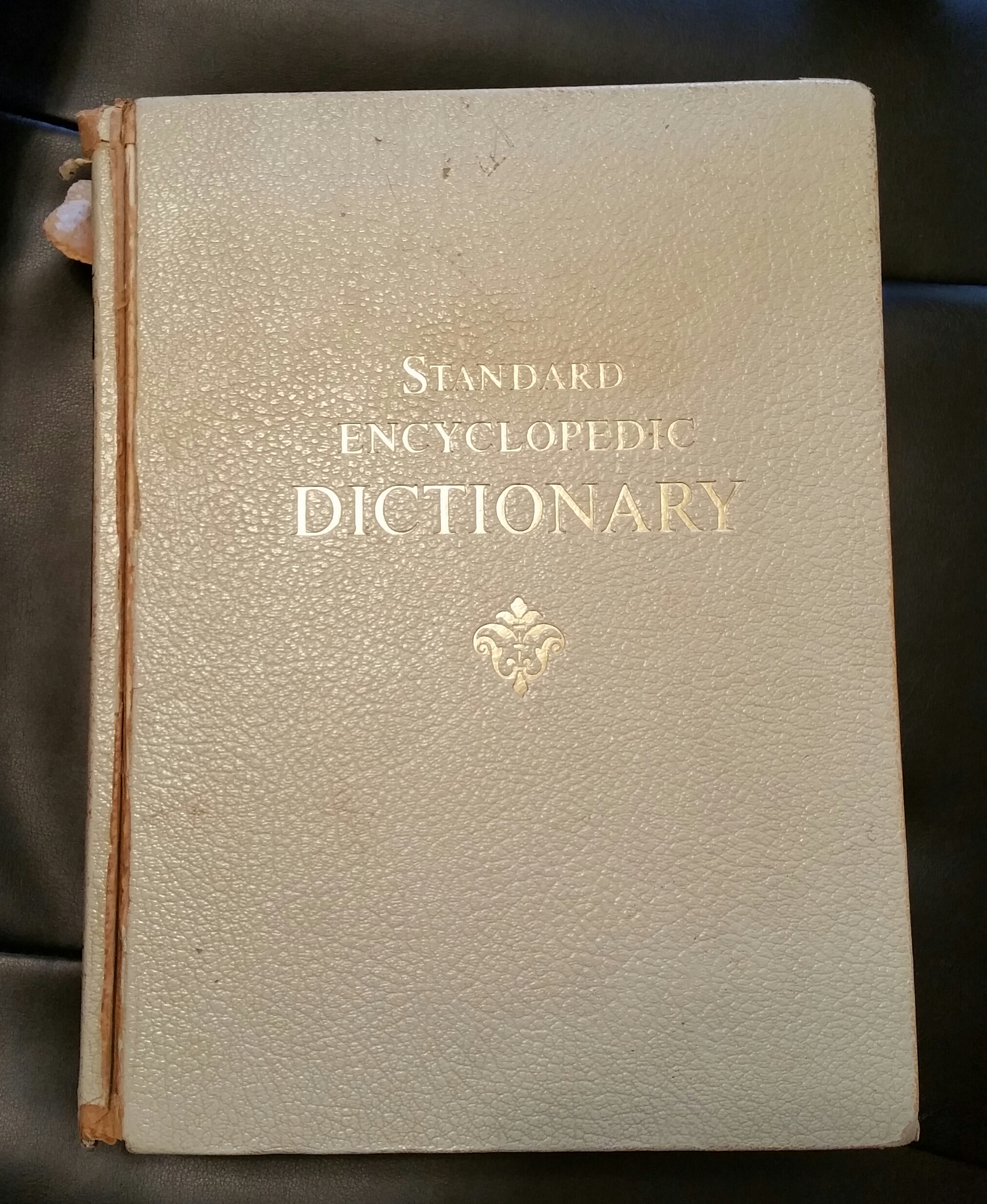
Naturally, my encyclopedia and dictionary reading habit led my siblings to nickname me… Encyclopedia Sue. Admittedly, I’m a bit obsessive about searching for information when something piques my curiosity and I’m still always reading information about information – asking all the usual who, what, when, where, why and how questions.
Life before the internet lent itself toward learning patience, because we often had to wait longer for most things (especially items that had to be shipped to us). Without 24/7 access to the internet, we had to rely on people around us or on written sources we could access. In my rural PA area we didn’t have a nearby public library, we had a very limited school library, our retired pastor’s home library and whatever books we had. We had to think about school reports and plan ahead.
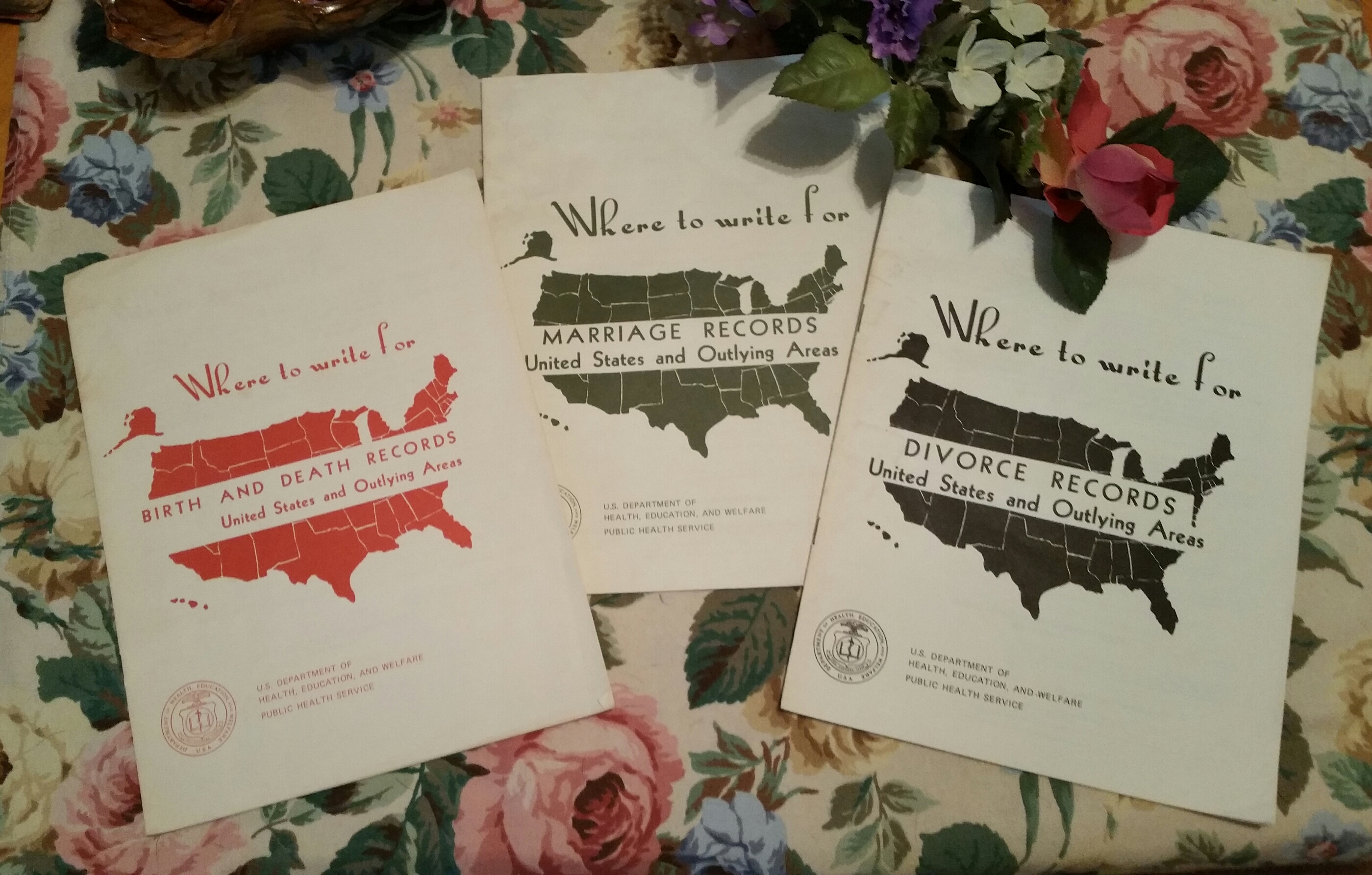
In my teens I became interested in my family history while looking at old photos my great-grandmother had. I sat with her and as she remembered names, I wrote them on the back of the photos and I wrote notes. There was no ancestry.com or online genealogy information. I don’t remember where I found the address to write to the US government for information on birth and death records, marriage records and divorce records, but I mailed in a request and they sent me these booklets:
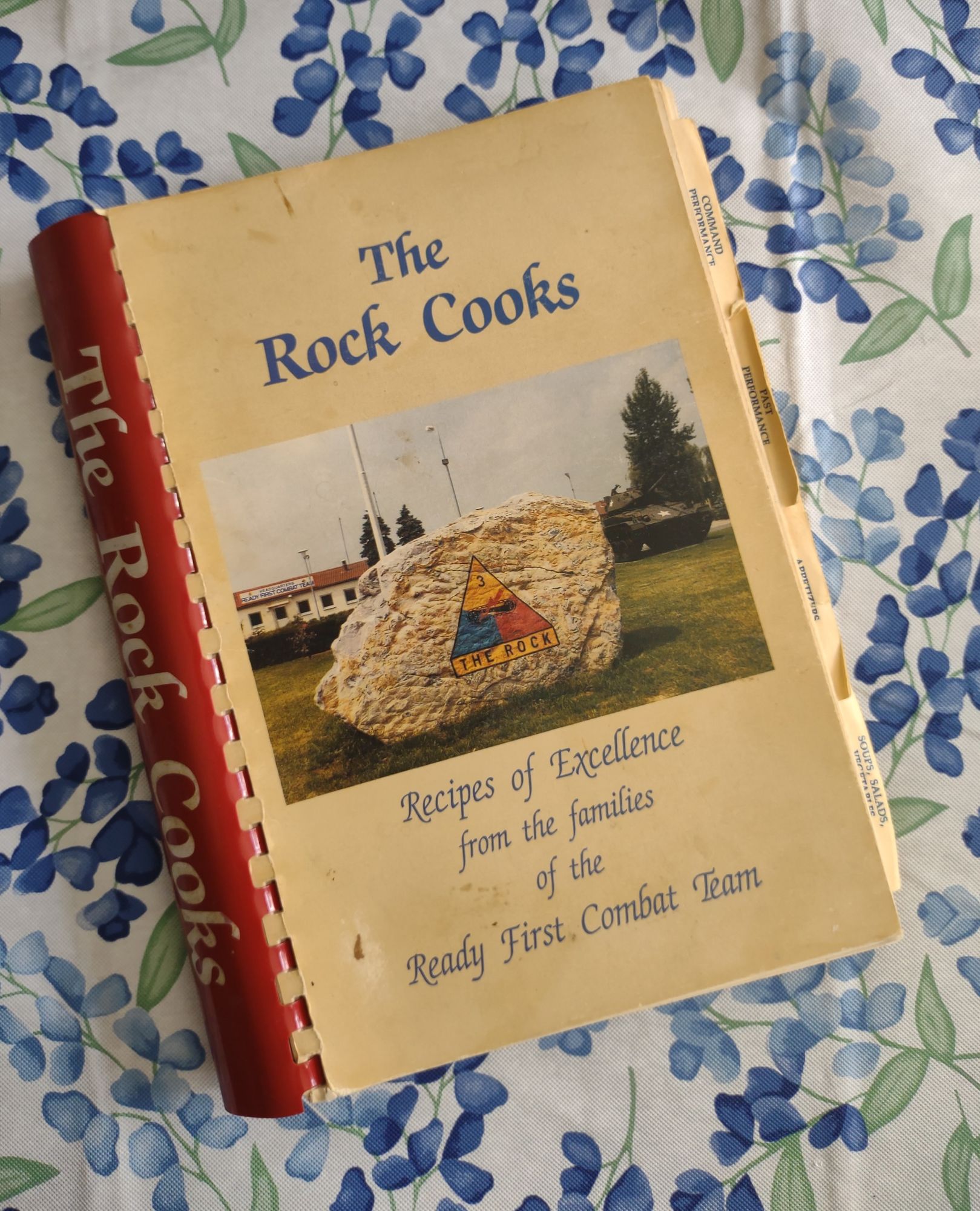
Even in everyday life, sometimes, while a Google search can instantaneously cough up more search results than you have time to scroll through, it can’t teach you how to think critically. Often, I consider a variety of information sources, not only Google searches (I don’t have Alexa). Recently, I was trying to remember the name of a wife I knew during Desert Storm in Germany, as I was writing in my Penzu journal. I quickly considered searching Desert Storm sites for unit rosters, but then I remembered I had looked at some of those sites years before and the unit rosters had lots of gaps. So, I thought about what else I remembered about this wife and I remembered she had submitted a recipe for Sweet Potato Soufflé to an Army wives cookbook some officers’ wives put together. I made this recipe once and liked it, but my husband and kids said it was too sweet. The internet makes so many aspects of searching for information much easier, but it took only a couple minutes to pull out that cookbook and find the recipe… and her last name. Don’t get stuck in only one path when searching for information. Start thinking beyond Google or asking Alexa.
I started comparing information from different sources and taking information apart in my early teens. Without even knowing it, the term for this type of reading is syntopical reading. You don’t need to know this term – just start being a critical consumer of information, instead of being someone who repeats what “smart people” or “experts say. Read opposing views, read challenging information that you know nothing about, and learn to pull information apart and/or compare it to other information. Most of all learn to explain what you think you understand in your own words – this is an unforgiving mirror for you to test yourself. This is very different than reading to memorize. It’s reading to ask questions and understand and the exact opposite of trying to become a walking “encyclopedia” of useless trivia.
When Encyclopedia Sue grew up, well, I realized an encyclopedia is a collection of reference material, on many subjects, written by many experts and editors. It’s an effort by many of the smartest minds, not a one-person show. Learning isn’t about memorizing and repeating information, it’s about understanding information and concepts. Encyclopedia Sue, was a star-student in high school, but once I got into the real world, I realized how little I really knew about most things, especially life and this set me on a totally different road – trying to focus more on helping other people.
Along with learning patience, one of the hardest things to learn is how to pick yourself up when you fail. For those lessons, I credit my short time in the Army and my late husband for teaching me how to focus on the team and not my pampered feelings. I learned to pick myself up and drive on. The truth was that because I stuttered a lot and was so shy, my parents babied me a bit too much. I learned there are many things more important than how I feel and I didn’t find those lessons in the set of World Book Encyclopedia. Learning comes in many forms, not only from books.
I’ll delve into some experts’ advice on learning and reading in another blog post, but again the important thing is to learn patience and developing a consistent study habit will help you learn that. Olympic athletes don’t wake up one day and say, they’re ready for the Olympics. They practice hard daily, for many years. The same is true with reading and learning how to find and use information. It’s going to take a lot of consistent practice and a lot of failures, but once you get in the habit of going back and trying again to learn something hard, well, it starts to become part of your character.
You learn not to quit.
 libertybelle diaries